

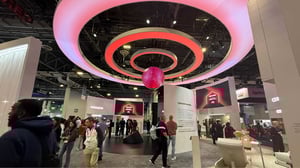
Article SummaryThis article examines whether sustainability lost momentum at CES 2026, noting a visible rise in cheap, disposable “build-and-burn” booths that undermine years of progress toward greener exhibiting. While many brands still invested in durable, reusable exhibits, the prevalence of one-time-use displays raised concerns about wasted materials, brand impact, and long-term ROI. The piece argues that sustainability and standout design aren’t mutually exclusive — smart modular design, reuse, and strategic refreshes allow exhibitors to achieve both.
|
Sustainability has become a rallying cry in the events industry, with brands promoting their eco-friendly commitments. We understand that trade shows, by their very nature, carry a significant carbon footprint—from travel and shipping to energy consumption and materials. That reality makes it even more critical that we take every measure possible to minimize our impact. But if you walked the CES 2026 show floor, you may have noticed a less significant focus on it than in previous years.
We saw it everywhere: cheap, flimsy booths, many from offshore manufacturers, built with one show in mind. Use it once, toss it in a dumpster. This ‘build-and-burn’ mentality flies in the face of all the hard work our industry has done in the past few years to reduce the environmental toll of trade show marketing.
Don't get us wrong; plenty of exhibitors brought beautiful, well-built exhibits designed to last for years. But the sheer number of throwaway booths was hard to ignore. It begs the question: is the industry's sustainability commitment losing steam?
For exhibitors who are concerned about sustainability and reuse their displays, there's a legitimate concern: how do you keep things fresh without building something new every time? The good news is you don't have to choose between sustainability and impact. Smart design choices, strategic updates, and investing in quality upfront make it possible to have both.
The Problem with "Build-and-Burn"
The appeal of a low-cost, one-time-use booth is understandable on the surface. Renderings can look impressive, and the initial price tag may seem attractive. However, the reality on the show floor often tells a different story. We saw numerous examples of poor fit and finish: scuffed laminates, visible seams, sloppy wiring, and areas that were left unpainted or unfinished. These details, which would be unacceptable in a high-quality custom modular exhibit, detract from a brand's image and signal a lack of investment.
Beyond aesthetics, this approach is fundamentally unsustainable. Exhibitors we spoke with confirmed plans to build a new booth for their next show even though they had just built one, creating unnecessary waste. In an industry where we're already grappling with the environmental impact of shipping materials across the country and powering large-scale events, adding disposable booths to the equation only compounds the problem. Furniture sourced from online vendors is often left behind, destined for a landfill. This cycle not only harms the environment but also represents a missed opportunity for long-term brand building and a higher return on investment.
Reuse: The Cornerstone of Sustainable Exhibiting
True sustainability in the events industry is built on the principle of reuse. Investing in a high-quality, durable exhibit that can be used for multiple shows is the most effective way to reduce your environmental footprint. Rental trade show solutions also play a crucial role in this ecosystem.
However, a common concern among marketers is that reusing an exhibit can lead to a stale or repetitive presence. How do you balance the need for sustainability with the demand for fresh, engaging experiences? The key is to shift your thinking: refresh the experience, not the entire structure. A well-designed modular system provides the perfect foundation for this approach.
5 Ways to Refresh Your Exhibit Without Rebuilding
You can absolutely reuse your Skyline booth multiple times without it feeling stale by changing what people experience rather than rebuilding the structure. Skyline’s modular systems and graphic flexibility are built for precisely this kind of refresh.
1. Treat the Structure as Your Stage
Think of your exhibit's hardware as the stage, not the show itself. The core frame can stay the same while you change how it's configured. Custom modular systems are built to adapt. They scale between different footprints, and components can be rearranged to create entirely new layouts with the same physical pieces. If you're working with a custom modular system, try mixing things up. Use different combinations of walls, counters, and towers from one show to the next. Same hardware, completely different architectural feel.
2. Refresh Graphics, Not Hardware
An easy way to change up your booth is by updating your graphics. Many of our systems are engineered for easily changeable fabric graphics, allowing you to keep your hardware in rotation while your messaging stays current. Consider creating a “graphic playbook” for your event season with two or three distinct visual themes. You can rotate these looks based on the show's audience or tier, ensuring that even regular attendees see something new. With simple planning, you can design your booth so that one or two panels are swapped out with new graphics, while the majority is left intact.
3. Change Lighting, Motion, and Digital Content
Dynamic content can make last year’s exhibit feel entirely new. Simple adjustments (think re-aiming lights, integrating new lightboxes, or updating the content on existing LED walls) can dramatically alter the booth’s atmosphere. Use show-specific digital stories — focusing on different products, case studies, or interactive demos — to tailor the experience to each event. This makes the booth feel like a bespoke creation rather than a generic touring set.
4. Re-Stage the Interior
How attendees move through and interact with your space is a critical part of their experience. You can dramatically change the perception of your booth by re-planning the zones within the same footprint. Re-think the flow between your demo areas, meeting spaces, and hospitality zones. Refreshing smaller details, such as furniture, flooring finishes, and environmental elements like plants or merchandise displays, can also signal a significant change at minimal cost and environmental impact.
5. Build a Multi-Show Reuse Plan
Achieve your business goals and avoid creative burnout by developing a long-term reuse strategy. Decide which elements will remain constant for two to three years. Then plan what you will refresh annually or on a per-show basis, like graphic sets, digital content, furniture, and lighting accents. Think of the entire program, rather than each show individually to ensure that your experiences are both sustainable and engaging.
Quality is the Foundation for Sustainability
Ultimately, the trends observed at CES highlight a crucial link: quality is the foundation of sustainability. A cheap booth that falls apart after one use is the opposite of a responsible investment. By choosing a high-quality modular exhibit system, you are not only elevating your brand presence but also committing to a more sustainable future for the events industry. You can create stunning, impactful experiences that can be re-imagined time and time again. That’s how you get to sustainable value. Sustainability is not wavering, but we need to double down on our commitment to refreshing and reusing exhibit booths.
Contact us today for a free consultation!