

Article SummaryDigital technology is reshaping the trade show experience by blurring the line between physical and digital spaces, turning booths into immersive, responsive environments. When applied strategically, tools like LED displays, interactivity, and data-driven content help exhibitors attract attention, deepen engagement, and drive measurable ROI.
|
Walking through major trade shows, you will notice a lot more technology than in previous years. So much so that the distinction between digital and physical space is blurring, and the most successful brands are those that understand that technology is not just a flashy add-on anymore; it is becoming the foundation for how stories get told on the show floor.
Beyond the Video Wall: LED Technology as Architecture
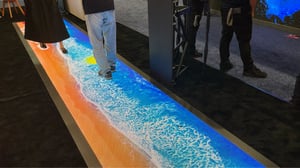
LED displays have evolved far beyond the standard backdrop. Curved screens create wraparound visual environments. Transparent OLED panels place digital content and physical products in the same visual plane, stopping people in their tracks. Even the ground beneath your feet is getting in on the action with interactive floor tiles that respond to movement with ripple patterns and animations.
LED installations are appearing overhead as accent features, on floors as dynamic pathways, and as translucent tiles to add depth and dimension with a premium, high-design look. The modular nature of LED tiles means exhibitors can shape them into virtually any configuration — linear walls, circular displays, even free-standing cubes that catch eyes from unexpected angles.
Movement Creates Moments
Static has become synonymous with forgettable. The displays that stop people in their tracks are the ones that literally move. Kinetic LED tiles shift and reconfigure themselves to spotlight particular content. Forced-perspective content transforms flat screens into three-dimensional scenes that feel alive. One booth at a recent show demonstrated durability in the most engaging way possible — by asking attendees to kick soccer balls directly at their LED screen. Over and over, the screen kept working perfectly, proving both sturdiness and encouraging the kind of hands-on interaction that generates buzz.
This is not about motion for motion’s sake. It is about using movement to draw attention, demonstrate capability, and create the kind of “stop and stare” moments that exhibitors dream about.
Smart Spaces That Respond and Learn
The best exhibitors build booths that shift with the day’s rhythm. Quiet visuals during general hours give exhausted attendees somewhere to breathe. Scheduled demos transform the same square footage into an active presentation space at one time, then into a reception later in the day.
Behind the scenes, technology is doing more than catching attention; it is gathering insights. Motion detection and AI tools track booth traffic patterns, visitor behavior, and involvement metrics. Some exhibitors are running real-time data feeds that reveal engagement patterns as they unfold, enabling teams to double down on what is working and abandon what is not, all while the show floor is still packed.
The Right Tech for Your Space
Not every booth requires a massive LED setup. Choose technology that aligns with what you are trying to accomplish and fits the space you have. Even in a standard 10x10 inline booth, strategic digital activations can create a significant impact.
LED posters offer brightness and flexibility without crowding smaller spaces. They are lightweight enough to reposition throughout the day and can be linked together for a unified look. Touchscreen tables create natural gathering points where multiple attendees can interact simultaneously, exploring product catalogs or participating in demonstrations. For booths with slightly more space, touchscreen kiosks allow self-guided exploration, keeping visitors engaged without requiring constant staff attention.
Interactive games generate buzz and draw attendees in. Challenges presented on tablets or touchscreen displays create organic opportunities for meaningful conversations and give your sales team legitimate touchpoints for post-show outreach. Layer in lead capture functionality, and you are identifying serious prospects while they are engaged in an enjoyable experience.
For those looking to overcome physical limitations entirely, AR and VR technology allows even compact booths to deliver full-scale demonstrations, virtual facility tours, or immersive brand experiences that would be impossible to create otherwise.
Content That Evolves Throughout the Show
Flexibility is where digital displays prove their worth. Static visuals quickly become wallpaper that people ignore. Digital content can evolve as the show progresses — broad awareness messaging in the morning, targeted product demos midday, and event promotions or meeting invitations as the floor winds down.
Taking this further, RFID-triggered content personalizes the experience in real time. As an attendee approaches, the display can greet them by name, reference products they have shown interest in, or surface content personalized to their industry. This transforms a passive display into the beginning of an actual conversation.
The Strategic Investment Question
Let us be direct: this technology requires investment. Full LED installations, interactive displays, and immersive events all come with price tags. But the key is being strategic rather than comprehensive. Do not try to implement everything at once. Pick one or two technologies that match directly with your goals and execute them exceptionally well. You can also add technology incrementally. A single touchscreen or kiosk can make a difference.
Why This Actually Matters for ROI
After observing hundreds of booths at major shows, the engagement difference is undeniable. Interactive displays do not just attract more initial visitors—they keep them longer and spark qualitatively better conversations. Technology is serving three critical purposes on the show floor:
-
First, it draws attention in increasingly crowded environments where the brand is fighting for eyeballs.
-
Second, it explains elaborate ideas through visual and interactive demonstrations that words alone cannot match.
-
Third, it allows real-time adjustment to different audiences and messaging needs throughout the show.
The exhibitors dominating show floors are the ones who have recognized that trade shows are shifting from product display to experience creation. They are investing in the technology and creative thinking required to build spaces people want to spend time in.
Starting Smart
If you are ready to explore digital activations but unsure where to begin, start with an honest assessment of your current approach. What is the main goal of your exhibit? Generating leads? Demonstrating complex products? Match technology choices to specific business objectives rather than chasing features.
Start with your audience and business goals and be sure to consider what will work in your industry. Tech and manufacturing firms often see strong returns from simulators and live product demonstrations. Consumer brands typically gain more traction with visually striking LED setups and interactive games. Professional service providers might get better results from touchscreen tables that facilitate collaborative discussions around case studies and client solutions.
Whether that means exploring full LED installations or testing the waters with a single interactive element, the conversation is no longer about whether to incorporate digital technology. It is about doing it right.
Contact us today for a free consultation!